What Are Hex Flange Self-Tapping Screws?
Hex flange self-tapping screws are screws with a hex head and a built-in flange that can create their own threads.
???? In simple words:
They are self-tapping screws with a hex head and a washer-like base (flange).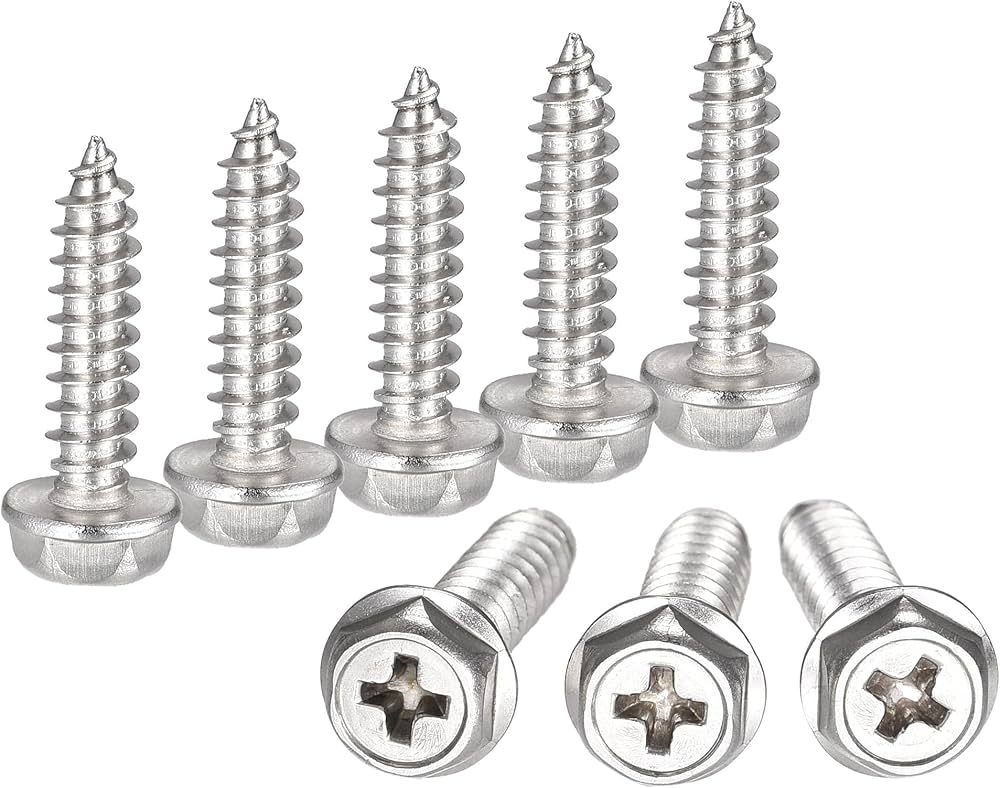
Key Parts of the Screw
- Hex Head – used with a spanner or socket
- Flange – spreads the load like a washer
- Threaded Body – creates threads in the material
- Sharp Tip – helps the screw enter easily
Key Features
- Built-in flange (no need for washer)
- Hex head for strong tightening
- Self-tapping ability
- Strong grip in metal and other materials
- Easy and fast installation
How Do These Screws Work?
These screws are designed to make work simple and quick.
Here’s how they work:
- Place the screw on the surface
- Use a wrench or drill with socket
- The tip enters the material
- Threads cut into the material
- The flange presses down and spreads the load
???? This creates a tight and secure connection.
Types of Hex Flange Self-Tapping Screws
1. Standard Hex Flange Screws
- Used in general applications
2. Serrated Flange Screws
- Have teeth under the flange
- Prevent loosening due to vibration
3. Self-Drilling Hex Flange Screws
- Have drill-like tip
- No need for pre-drilling
4. Fine Thread Screws
- Used for thin materials
Materials Used
These screws are made from strong materials for durability.
Common Materials:
- Carbon Steel
- Strong and affordable
- Stainless Steel
- Rust-resistant
- Ideal for outdoor use
- Hardened Steel
- Extra strength for metal work
Coatings and Finishes
To protect against rust:
- Zinc plated – common protection
- Galvanized – better for outdoor use
- Black oxide – smooth finish
Common Sizes
Hex flange self-tapping screws come in various sizes.
Typical Sizes:
- Diameter: 4 mm to 10 mm
- Length: 12 mm to 100 mm
Choose size based on material thickness.
Where Are These Screws Used?
They are widely used in many industries.
1. Metal Work
- Sheet metal fixing
- Steel frames
2. Automotive Industry
- Body panels
- Engine parts
3. Construction Work
- Roofing
- Cladding
4. Electrical Work
- Panels
- Equipment
5. DIY Projects
- Home repairs
- Light metal work
Advantages
- No need for separate washer
- Fast installation
- Strong and secure hold
- Resistant to loosening
- Time-saving
How to Choose the Right Screw
1. Check Material
- Stainless steel for outdoor use
- Hardened steel for metal
2. Choose the Right Size
- Match thickness and load
3. Select the Right Type
- Self-drilling for no pre-drilling
- Serrated for vibration areas
4. Consider Environment
- Use coated screws for rust protection
Installation Tips
- Use a socket or drill with hex bit
- Keep the screw straight
- Apply steady pressure
- Do not over-tighten
- Pre-drill if needed
Maintenance Tips
- Check for loosening
- Replace damaged screws
- Inspect for rust
- Keep surfaces clean
Common Mistakes to Avoid
- Using wrong size
- Over-tightening
- Using indoor screws outside
- Not choosing the right type
- Ignoring load requirements
Conclusion
Hex flange self-tapping screws are a smart and efficient fastening solution. They combine the benefits of a bolt, washer, and self-tapping screw in one.
If you choose the right type and use them properly, you can ensure a fast, strong, and long-lasting connection.